Research & Development in Implantable Systems
At one point in my career, I encountered a challenge whose solution became a defining milestone in my professional development.
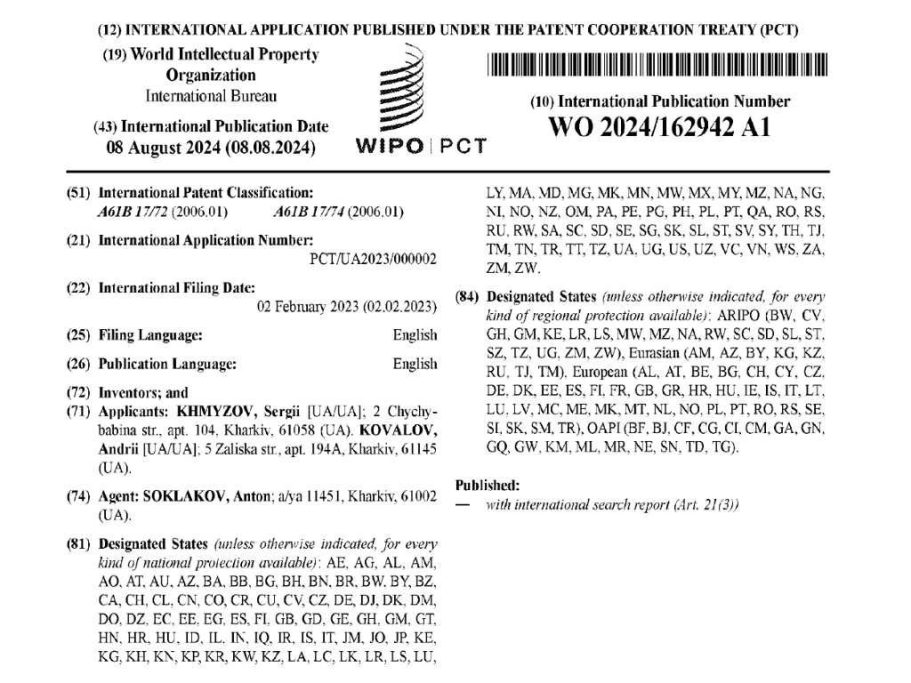
Throughout the development of implantable medical systems, 21 patents were granted, including three international patents.
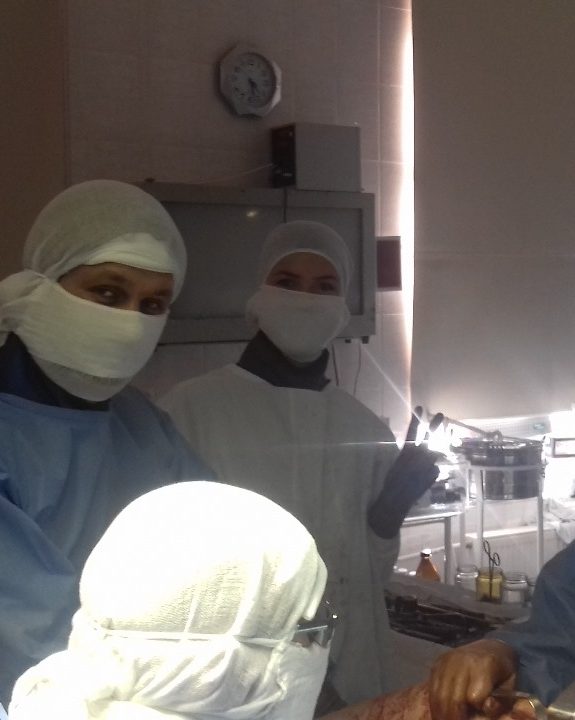
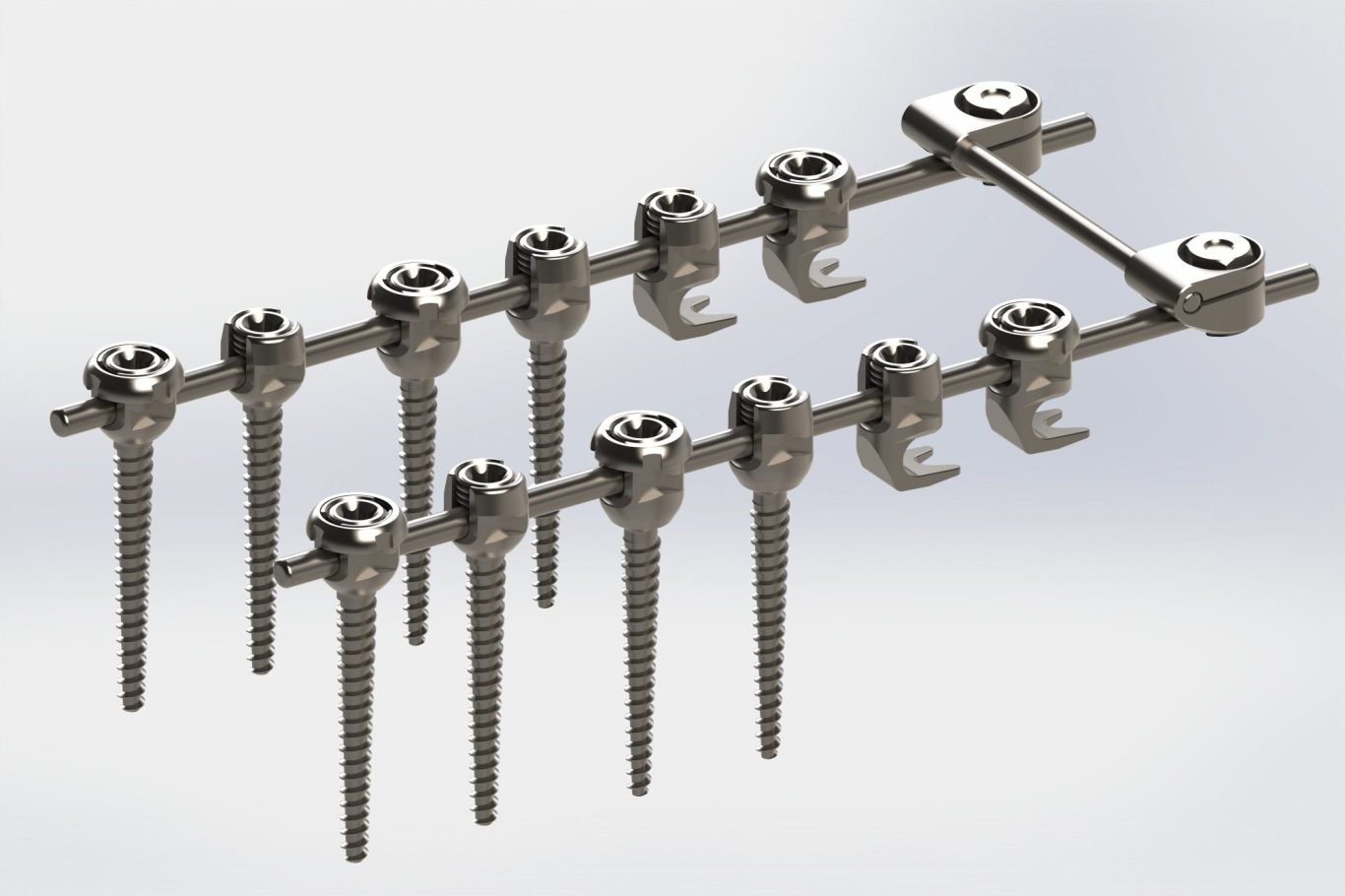
My work in pediatric orthopaedics began with the development of specialized spinal stabilization systems for children with complex scoliosis deformities. The challenge was to design a compact and adaptable system capable of accommodating natural skeletal growth.
In close collaboration with leading surgeons at the Sytenko Institute of Spine and Joint Pathology in Kharkiv, we successfully achieved this objective. My primary responsibility was the development of the implant system itself, as well as the specialized instrumentation required for implantation.
Project Highlight: Pediatric Orthopaedics & Spinal Surgery
Long-Term Development of External Fixator Systems
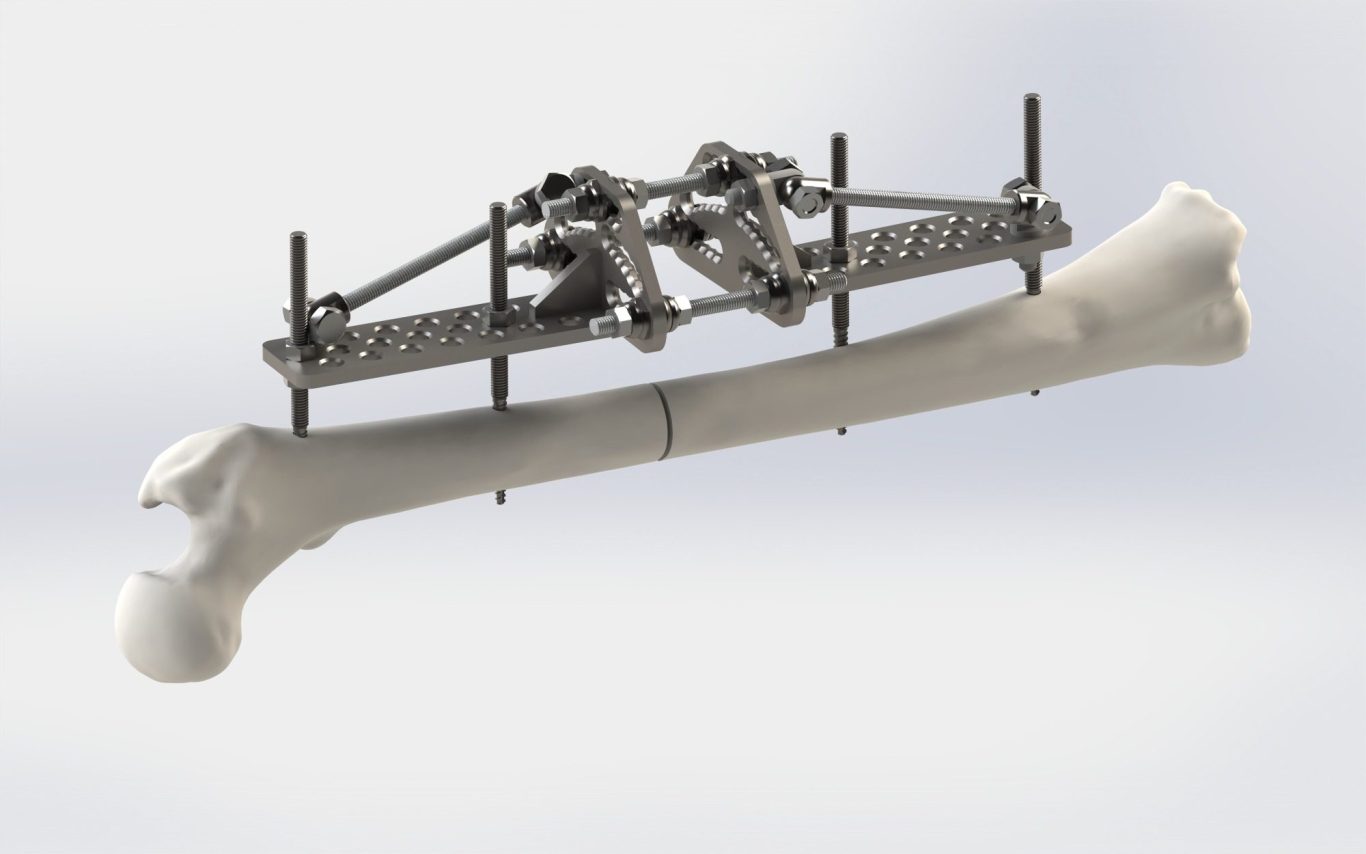
A substantial portion of my work in pediatric orthopaedics was dedicated to the development of external fixation systems. Over a period exceeding fifteen years, I designed and continuously refined four generations of these devices.
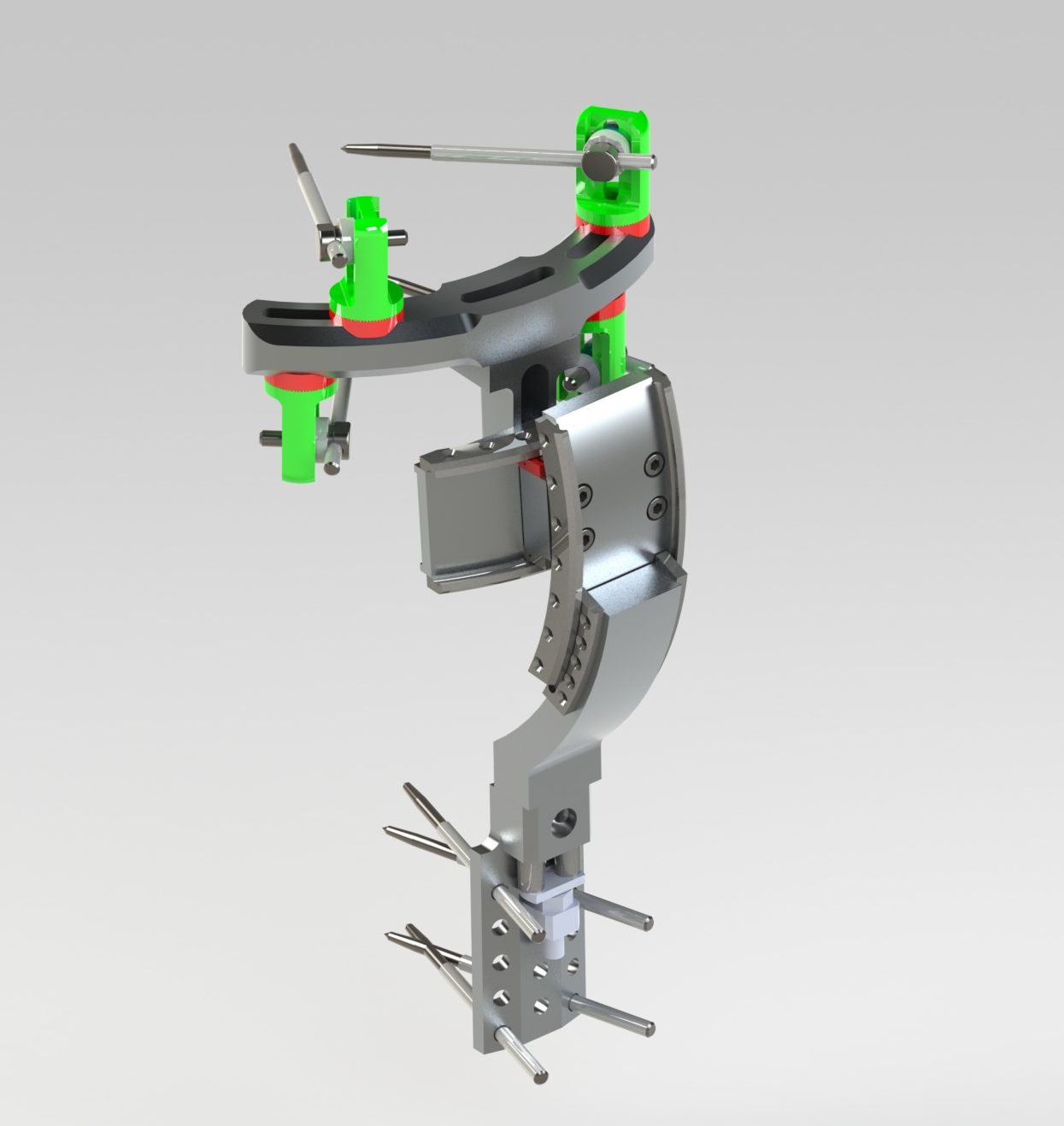
The clinical application of these systems focused on the correction of complex bone deformities, most of which were congenital or genetically determined.
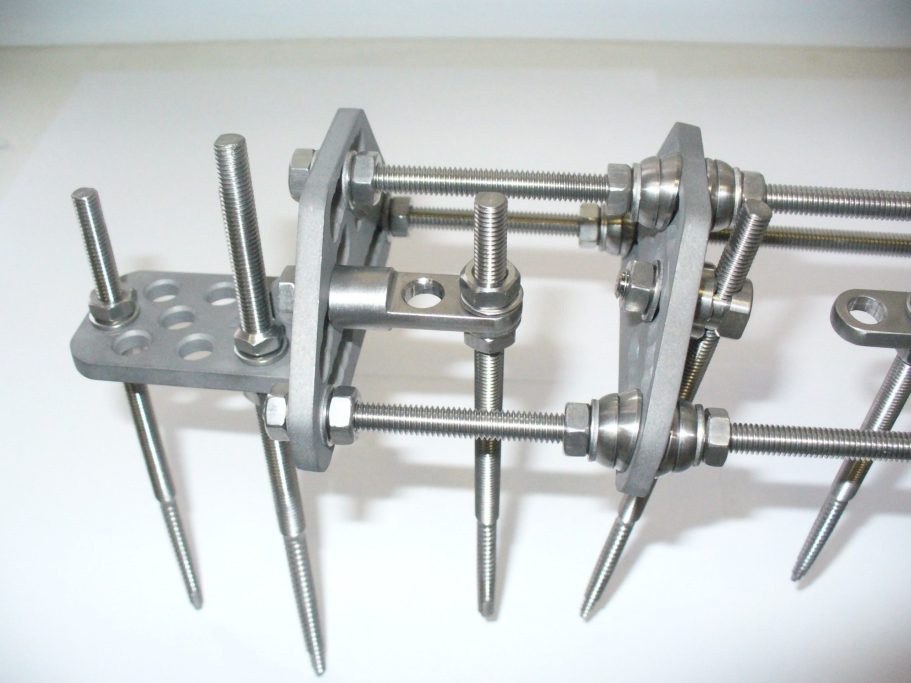
The development of these external fixation systems was conducted in close collaboration with the originator of the method, Prof. Dr. Sergii Khmyzov MD, Phd
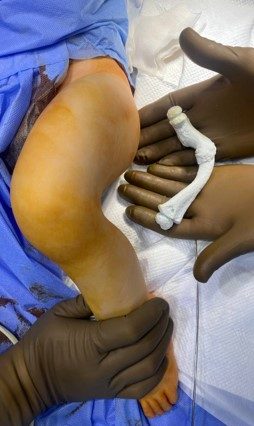
The development of these systems was carried out in close collaboration with Prof. Dr. Sergii Khmyzov, Head of the Department of Pediatric Orthopaedics and the originator of the clinical method.
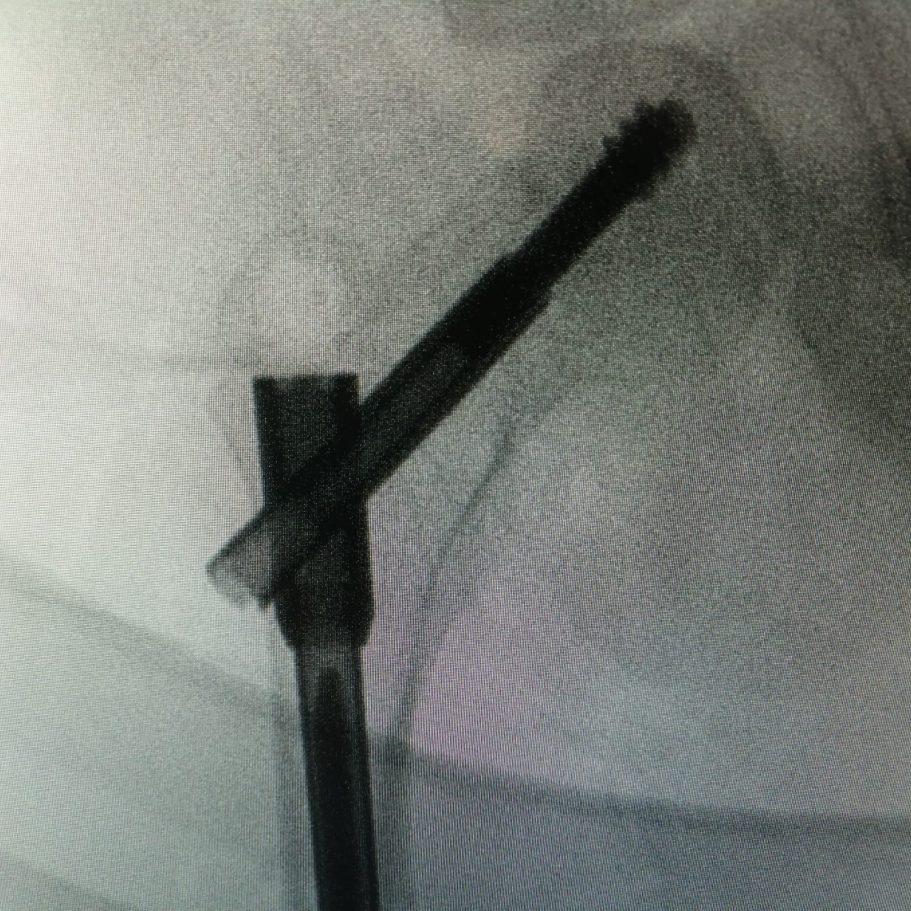
In this role, I served as the bridge between medicine and engineering, transforming clinical requirements and biomechanical concepts into precise CAD designs and manufacturable prototypes.
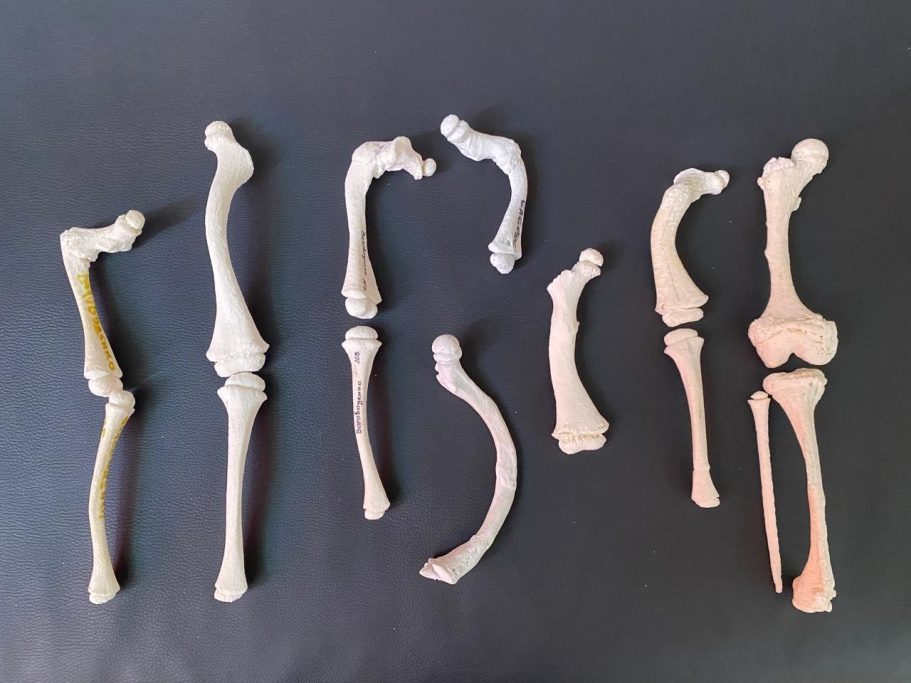
Presented here is only a small selection of preoperative anatomical models created through 3D reconstruction based on patient CT-data.
Intramedullary Telescopic Nails
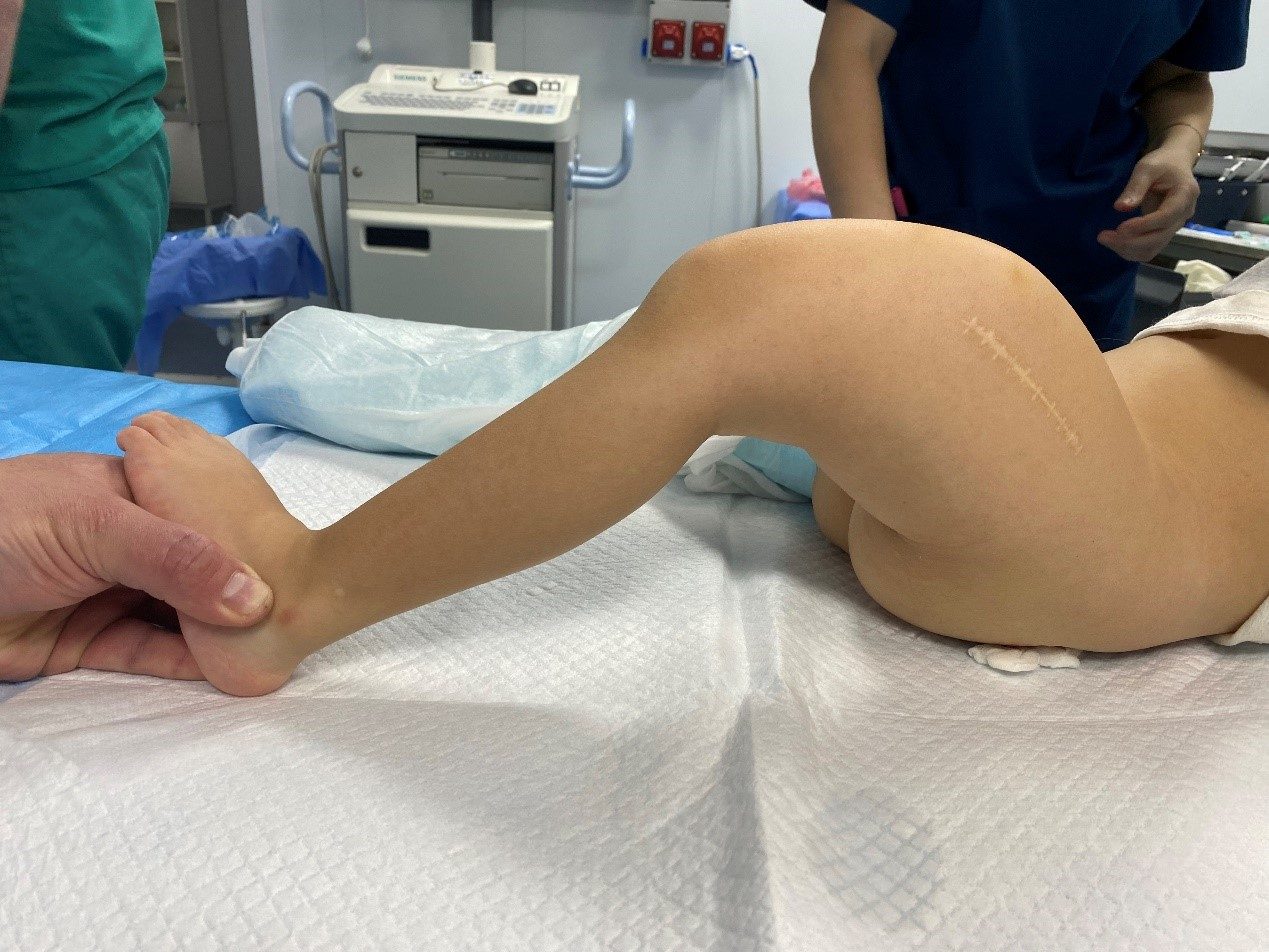
One of the most important areas of my professional activity has been the development of intramedullary telescopic nails for the correction of pediatric limb deformities while preserving growth potential. I have been actively involved in this highly specialized field since 2009.
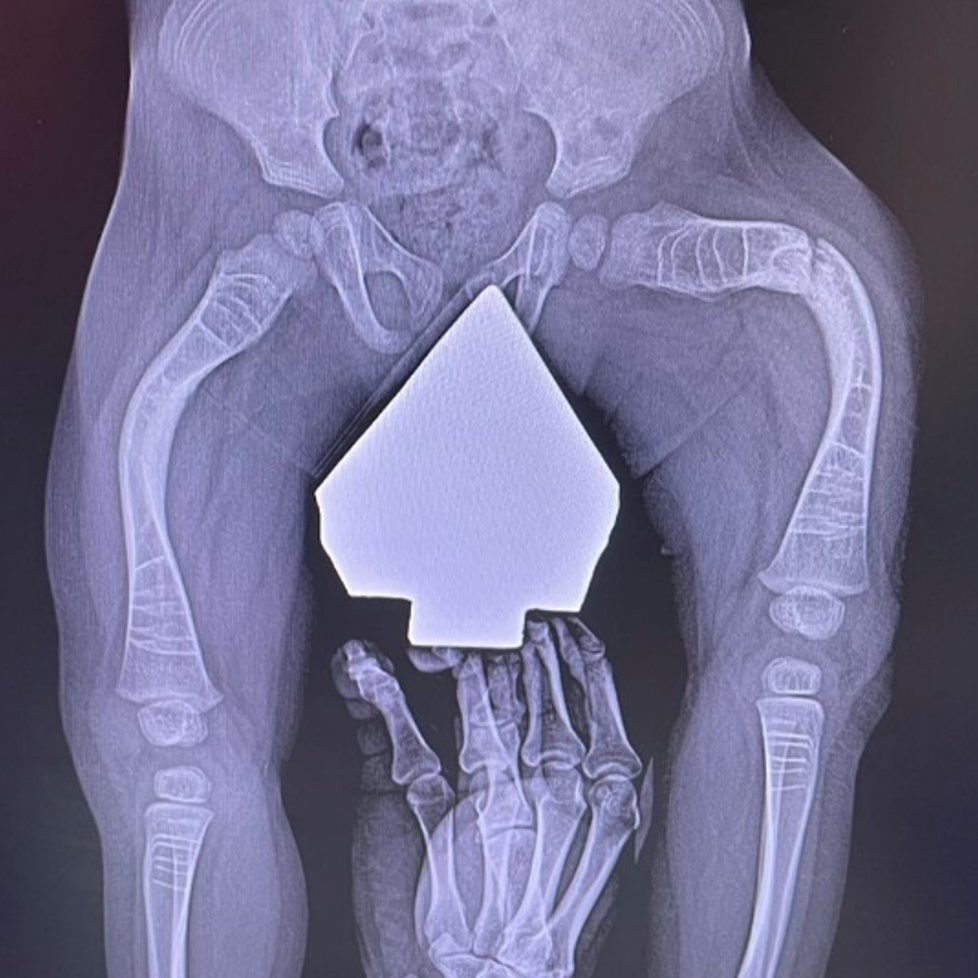
A major focus of my professional activity has been the development of intramedullary telescopic nail systems designed for the correction of pediatric limb deformities while accommodating continued skeletal growth. Since 2009, I have devoted extensive efforts to advancing this challenging and highly specialized field of orthopedic implant development.
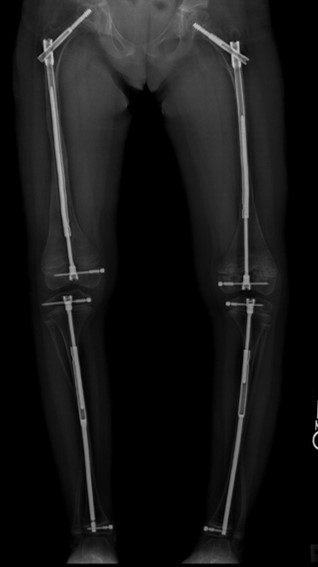
Exceptional long-term clinical outcomes were achieved. Over a period of more than sixteen years, 226 procedures were successfully performed in 62 patients. I personally attended the majority of these operations.
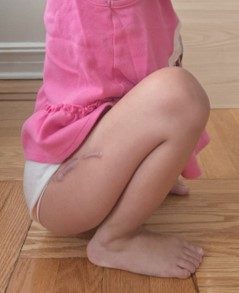
Bone Defect Reconstruction
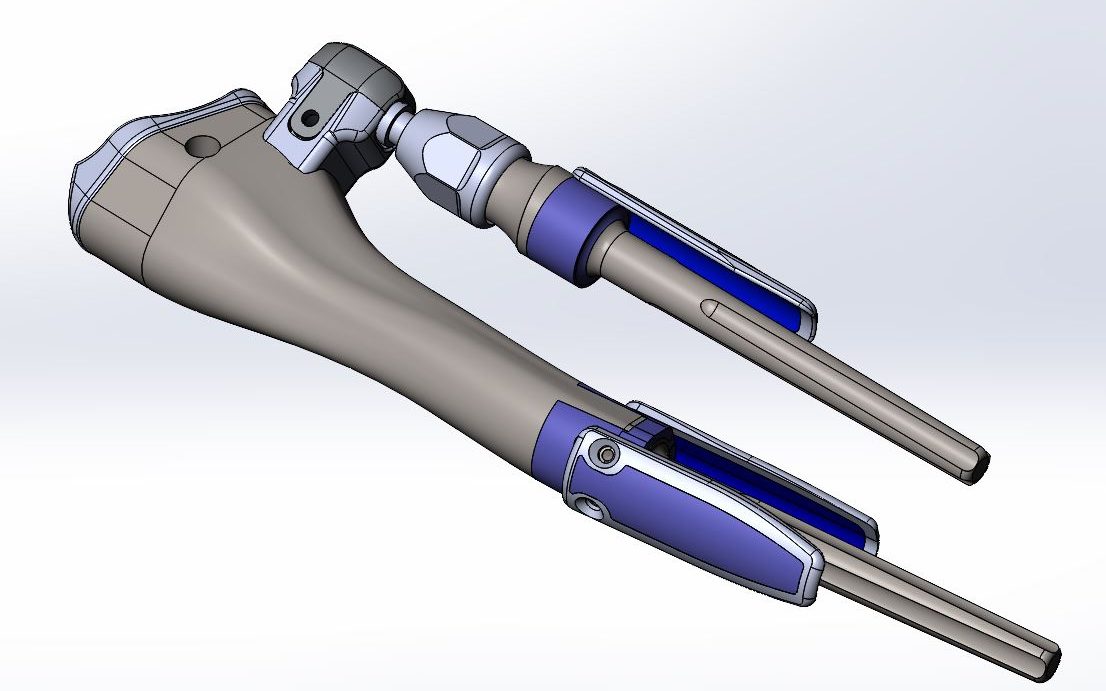
Another important milestone was my collaboration with Prof. Dr. Oleg Vyrva MD, Phd, Head of Bone Tumor Department. Through this partnership, innovative implant systems for reconstruction following tumor resection and severe trauma were successfully introduced into clinical practice.
A major focus of my work involved the reconstruction and restoration of complex bone defects resulting from trauma or oncological resections. For this purpose, I designed patient-specific implants and biomechanical structures capable of restoring anatomical integrity while enabling early patient mobilization.
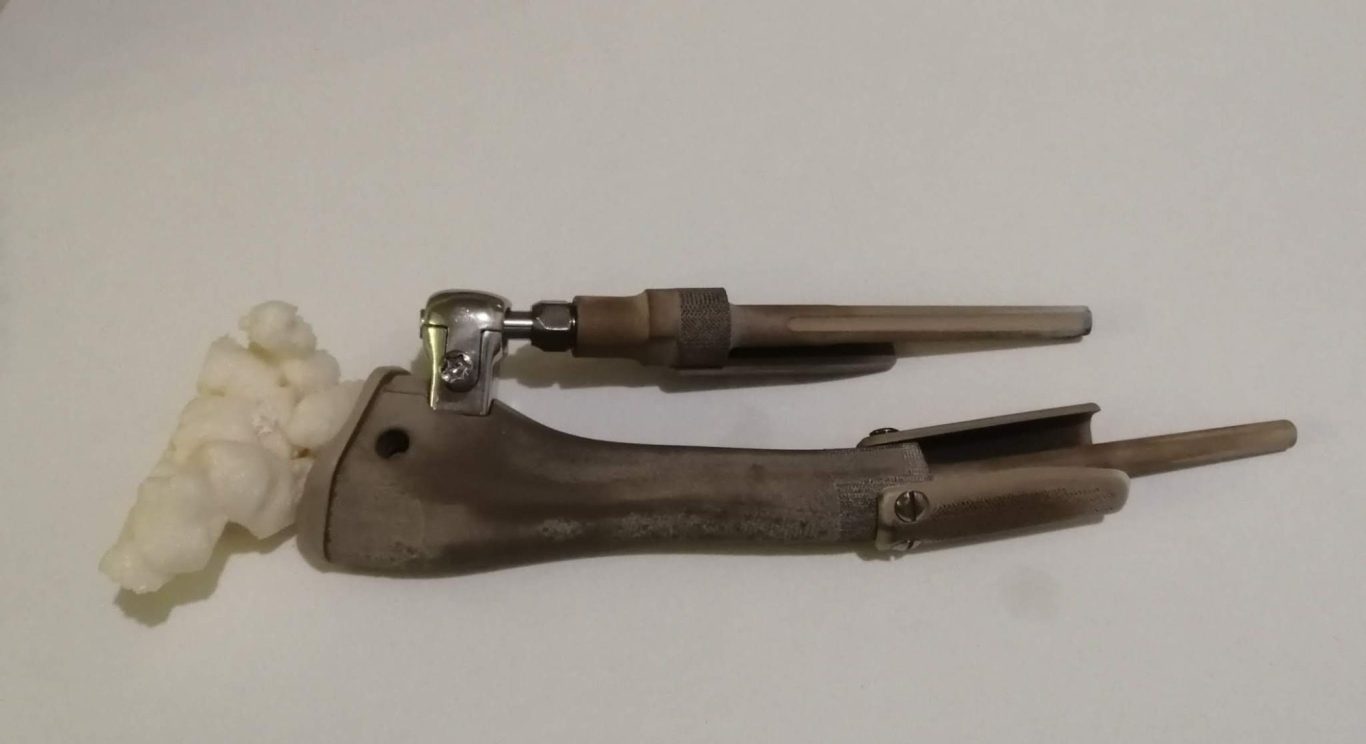
To accurately reconstruct patient anatomy, a detailed 3D model was generated from computed tomography (CT) data. Subsequently, a physical model was produced using additive manufacturing technologies, accurately replicating existing anatomical defects and damage.
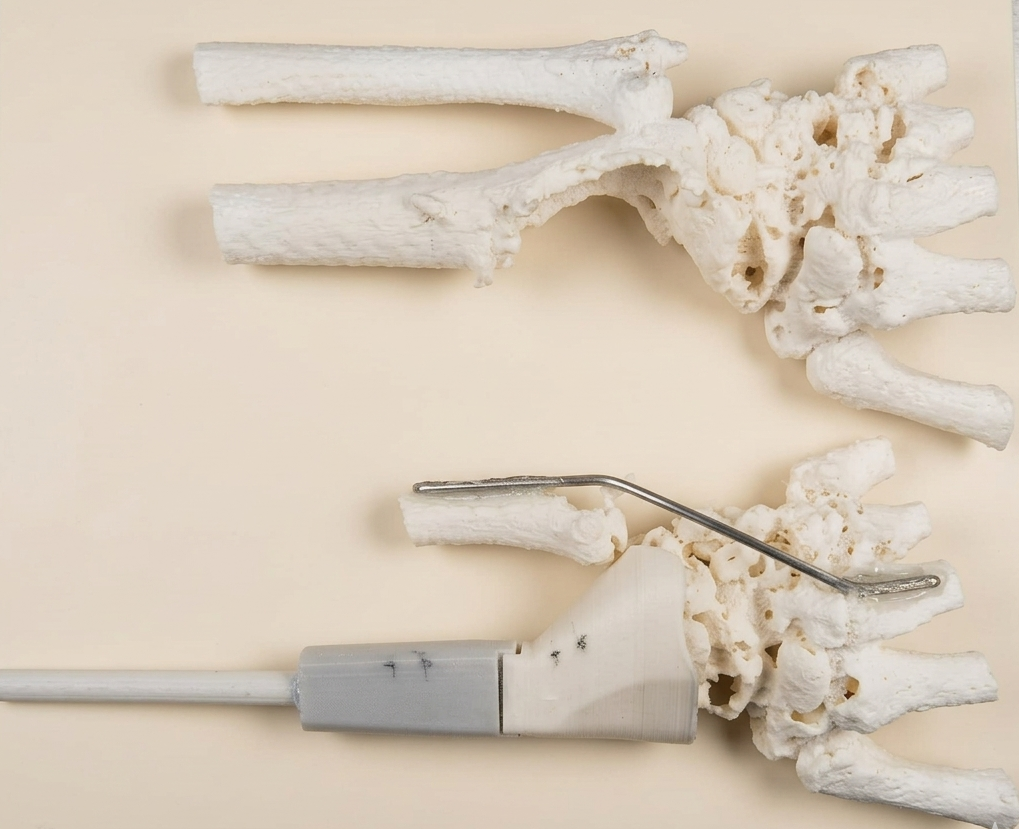
The clinical use of these systems focused on the correction of complex bone deformities, which were predominantly congenital or genetically determined.
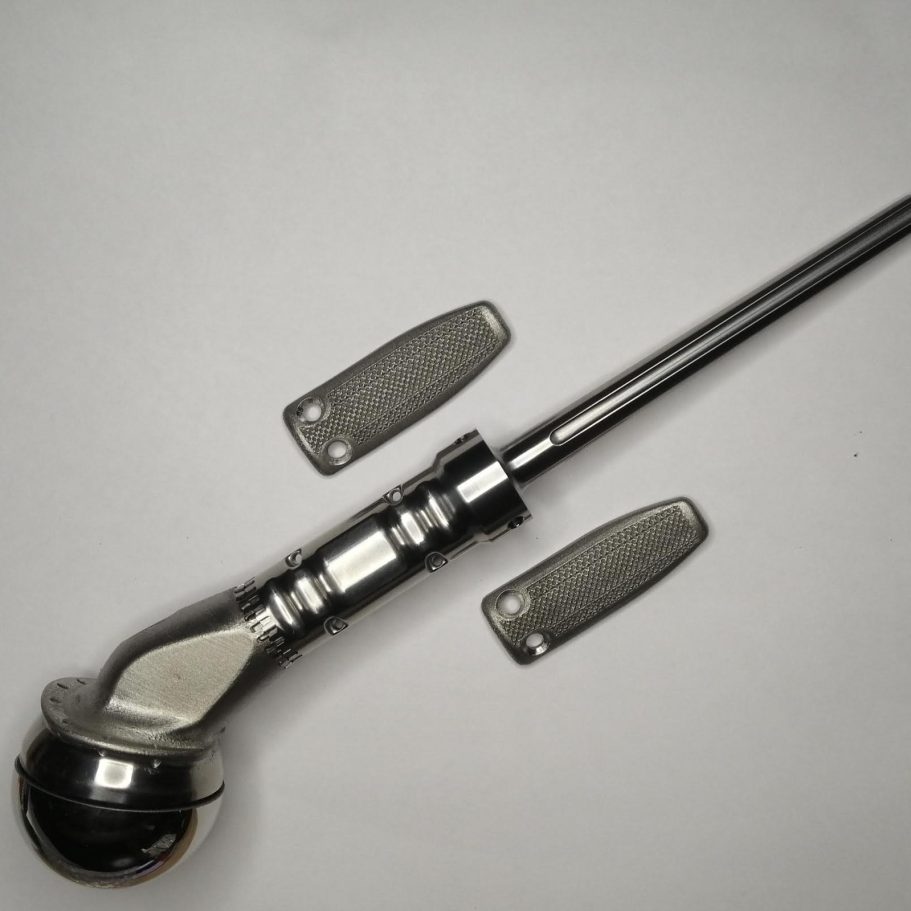
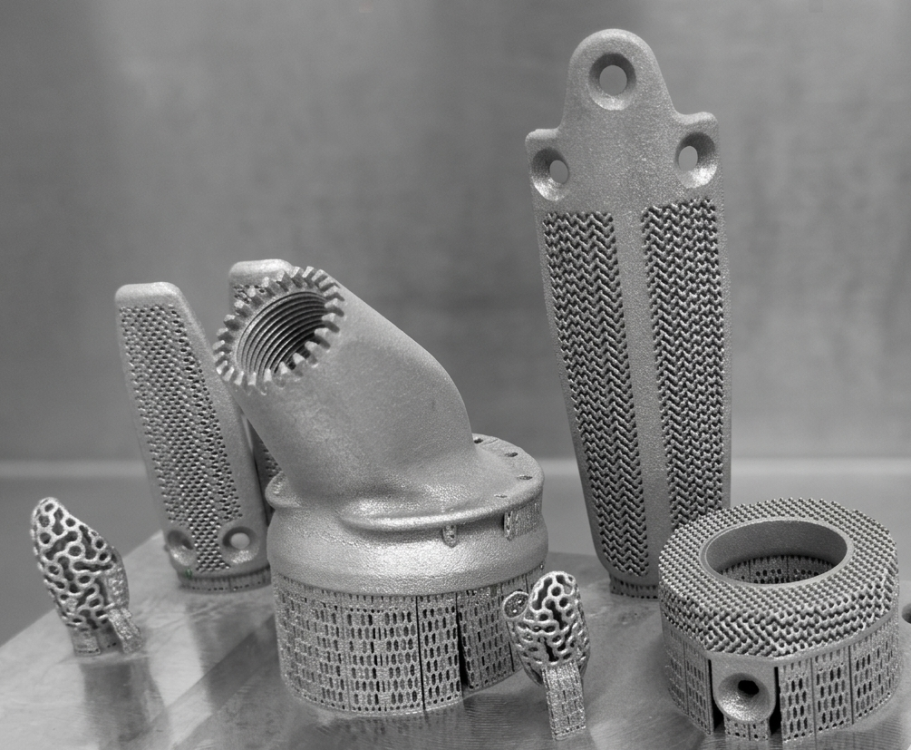
Technology Focus: Additive Manufacturing (Metal 3D Printing)
A key component of these developments was the application of additive manufacturing technologies, including SLM and DMLS processes for metallic implants. All components were designed according to Design for Additive Manufacturing (DfAM) principles.
Technological Focus Areas
Structural and Topology Optimization: Integration of porous trabecular lattice structures directly into CAD models to enhance osseointegration.
Design for Manufacturability: Reduction of support structures through optimized build orientation and minimization of post-processing requirements.
Materials: Designs optimized for medical-grade titanium alloys, including Ti-6Al-4V ELI.
Medical Device Development
From the First Pencil Sketch to Serial Production
From the initial concept sketch through 3D modeling, control system development, prototyping, validation, and transfer to serial production, I have been involved in every stage of product realization.
My professional background combines extensive technical expertise with practical management experience. Over nearly three decades of engineering practice, I have accumulated broad experience in 3D design, advanced medical technologies, embedded systems, and industrial automation.
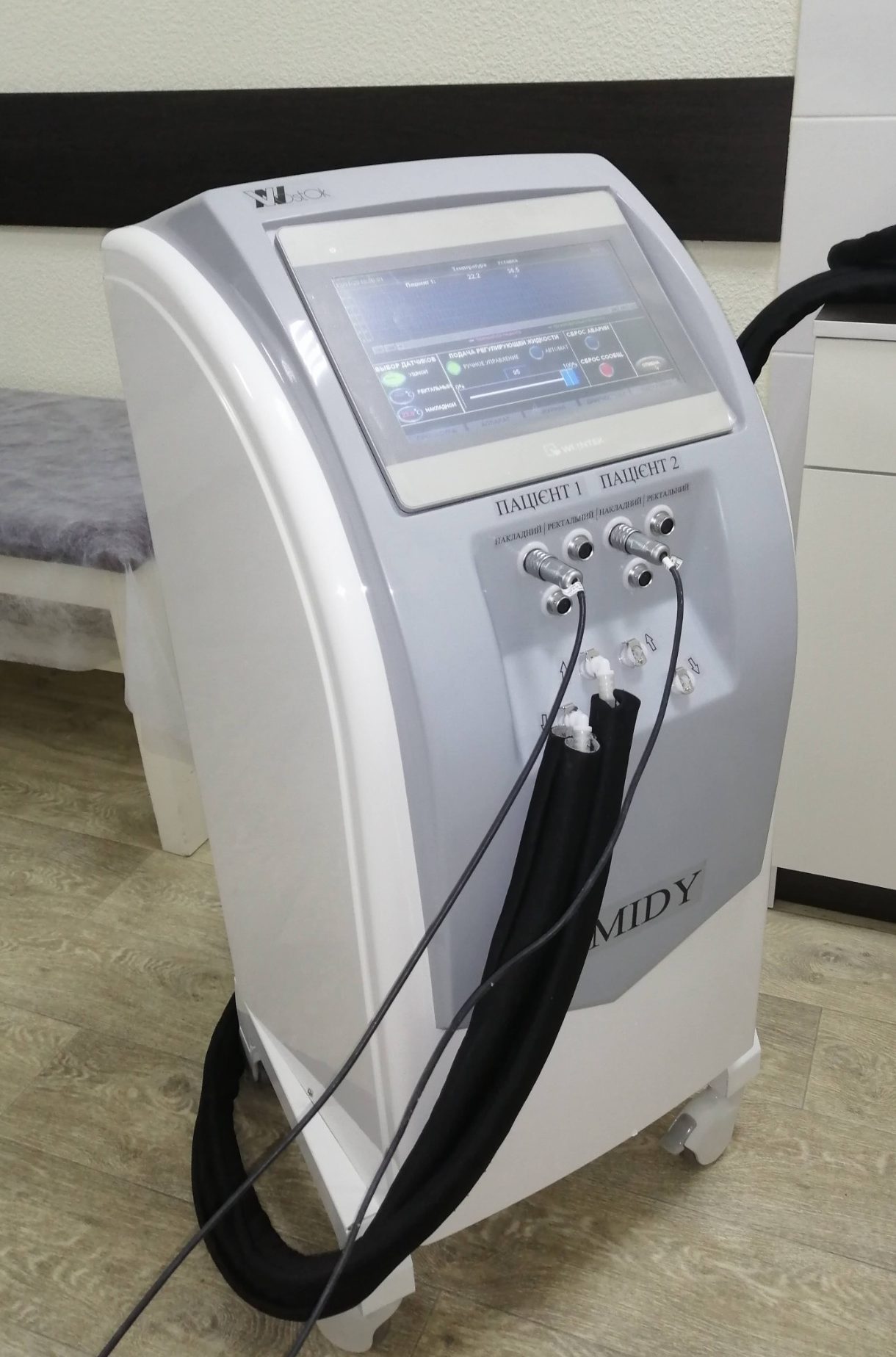
Device for Controlled Therapeutic Hypothermia
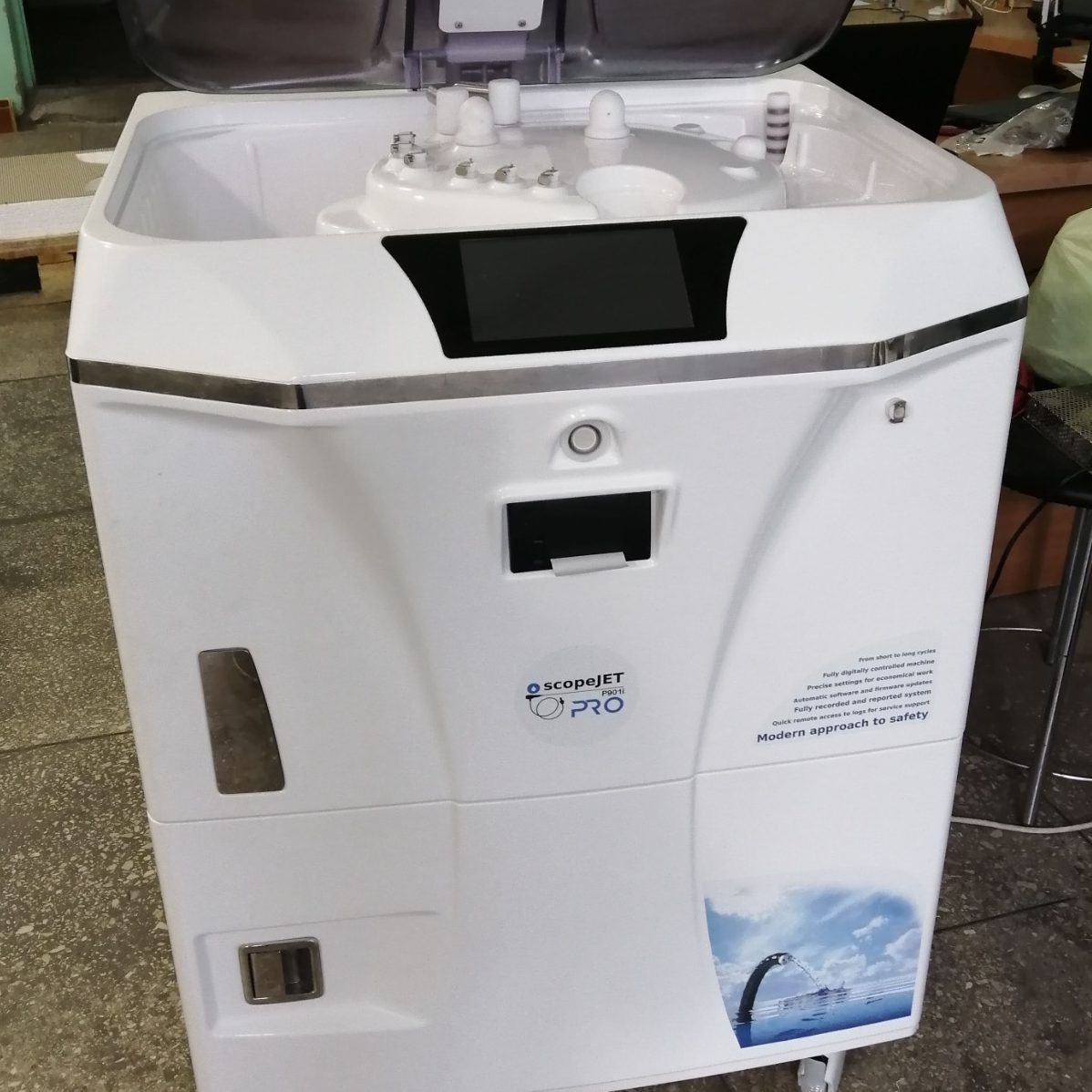
Automatic Endoscope Reprocessor for Simultaneous High-Level Disinfection of Two Flexible Endoscopes
My role within projects was flexible and consistently focused on achieving successful outcomes.
Project Management and Coordination: As project manager, I coordinated interdisciplinary teams and ensured efficient collaboration throughout all development phases.
Full-Cycle Product Development: I independently executed numerous projects from technical specifications through electronics and software development, mechanical design, industrial design, prototyping, validation, and transfer to serial manufacturing.
This experience has enabled me to adopt a holistic approach to product development. I understand how decisions in functional engineering influence industrial design, ergonomics, usability, manufacturability, and overall product performance.
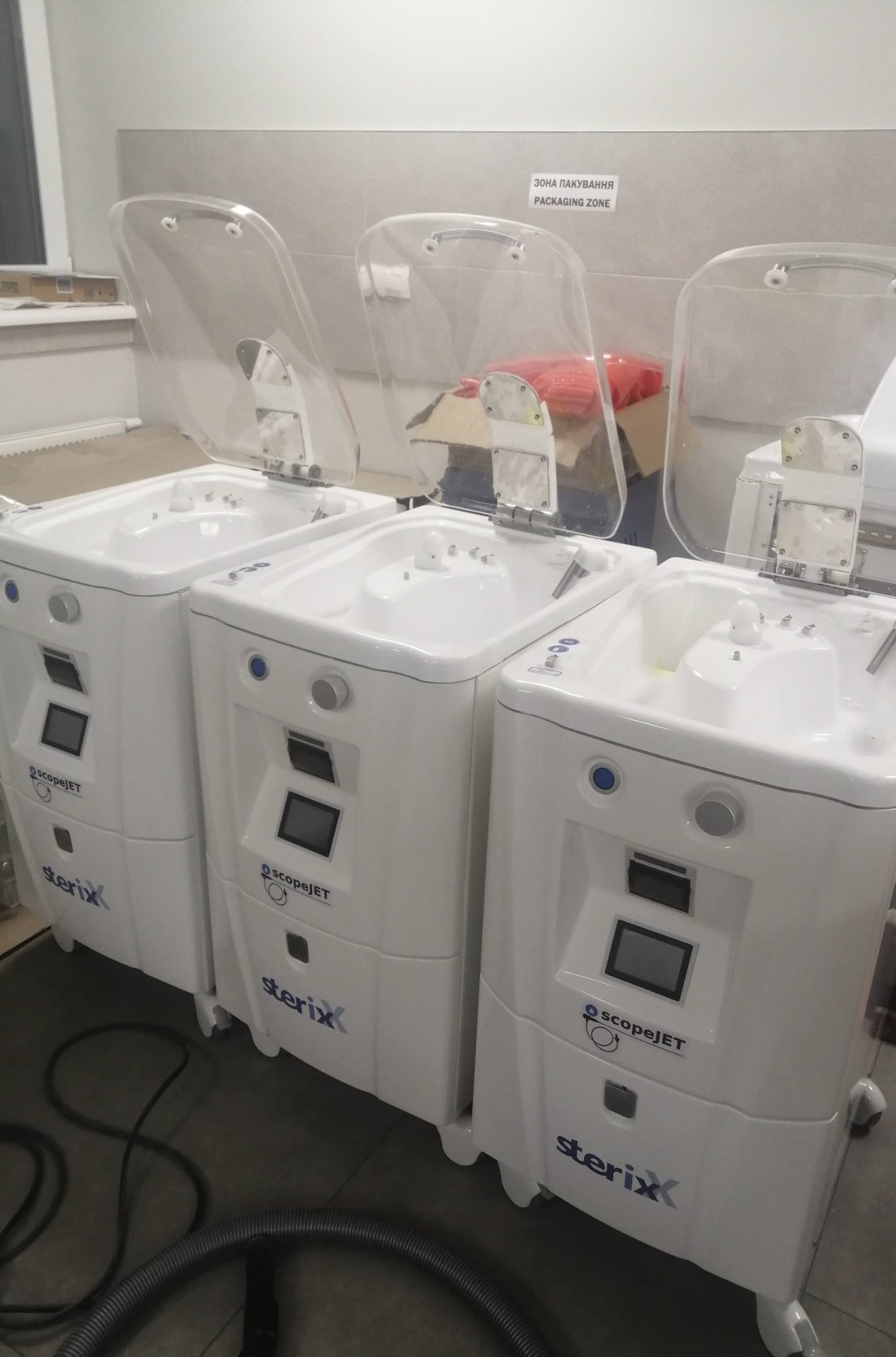
Cleaning and Disinfection Device (RDG-E) for a Single Flexible Endoscope.
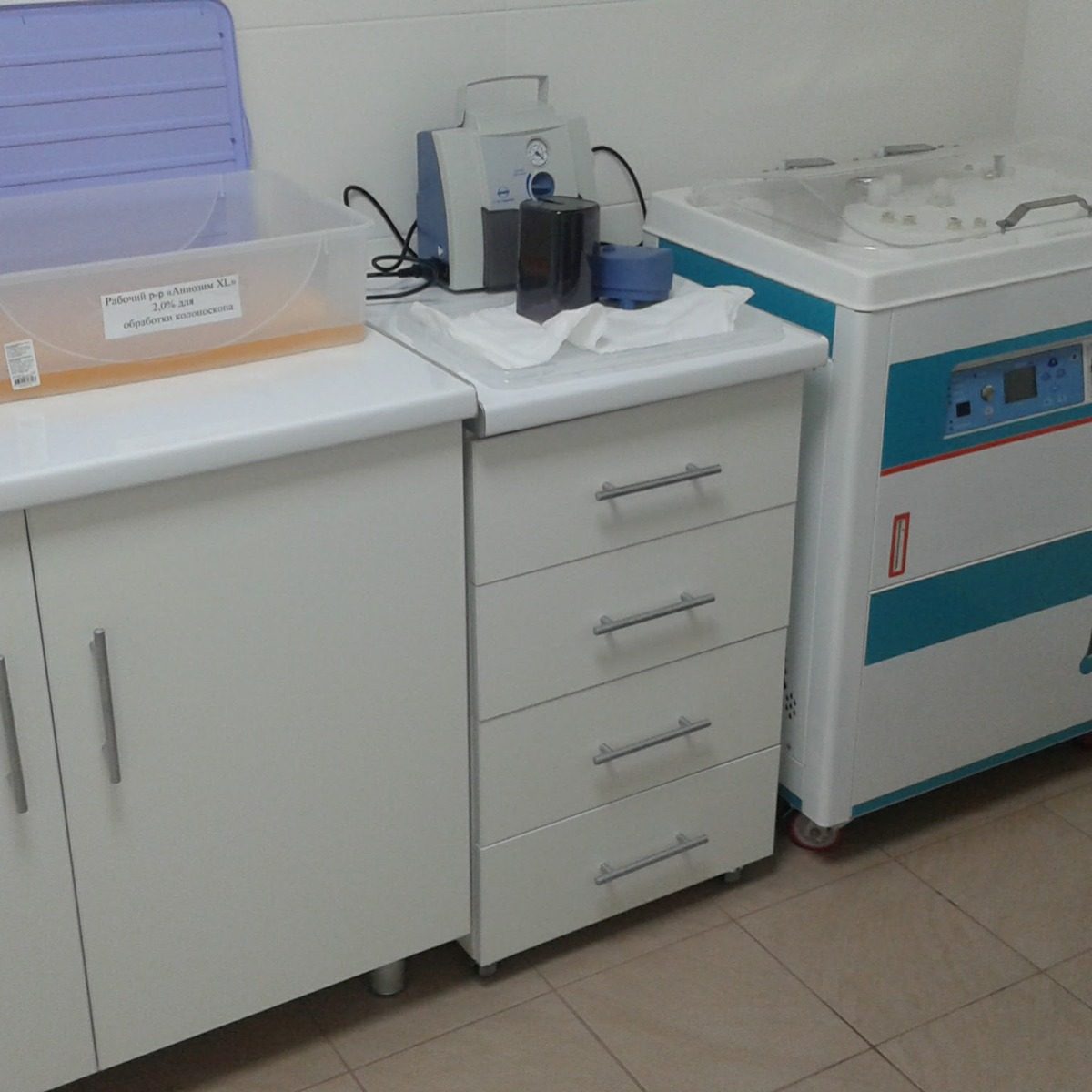
Automatic Reprocessor for High-Level Disinfection of a Single Flexible Endoscope. This device was the first system of its class developed in Ukraine and was successfully introduced into clinical use in 2011.
Integrated Development Environments (CAD/ECAD)
A key element of my success is the effective use of modern development platforms. I utilize SolidWorks for advanced 3D modeling, assembly design, and mechanical engineering, while all electronic development and PCB design are performed in Altium Designer.
Through seamless ECAD-MCAD integration, I ensure during the digital design phase that all electronic components fit precisely within the mechanical assembly, manufacturing tolerances are maintained, and thermal as well as mechanical loads are properly addressed.